
How Can Fall Rainfall Cause Foundation Settlement in East Texas Homes?
Fall rainfall can cause foundation settlement in East Texas homes by changing soil moisture levels, washing away supporting soil, and exposing drainage problems. When dry soil absorbs heavy rainfall, expansive clay may swell, while saturated or eroded soil can lose stability. These changes can cause uneven foundation movement, resulting in cracks, sloping floors, and sticking doors.
For East Texas homeowners, the transition from hot, dry summer weather to wetter fall conditions can create unexpected challenges beneath their homes. Soil that has been dry for weeks or months may react differently when seasonal storms bring significant moisture. Understanding these changes can help homeowners recognize potential foundation problems before they become more serious.
At Barwell Solutions, we understand how East Texas soil conditions and changing weather patterns affect residential foundations. Our team specializes in foundation repair, slab lifting, drainage correction, and other structural solutions designed to address the underlying causes of foundation movement. We believe homeowners deserve clear explanations, dependable service, and recommendations tailored to their property’s needs.
Whether you have noticed new cracks or simply want to protect your home before the next heavy rainfall, knowing what happens beneath your foundation is an important first step.
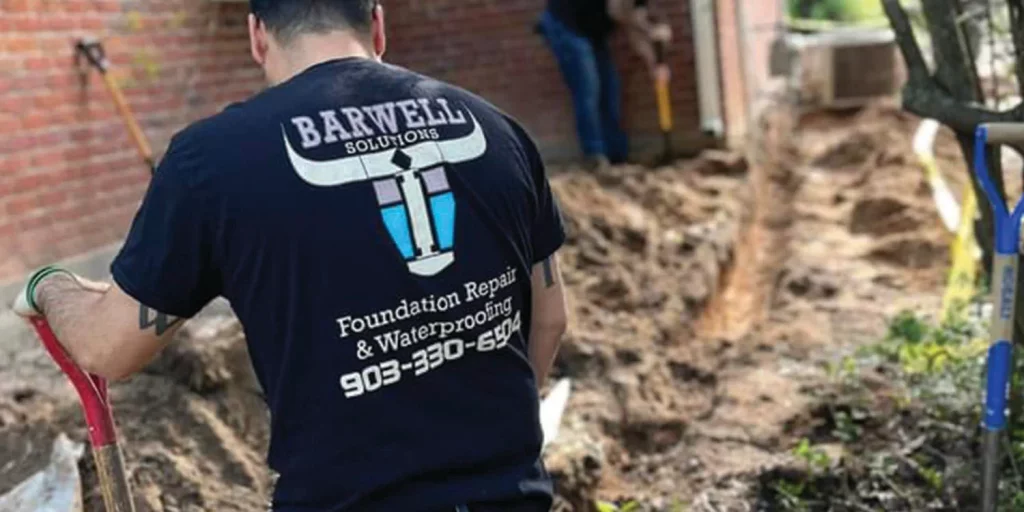
Understanding How Heavy Rain Affects Foundation Stability
Foundation settlement occurs when the soil supporting a structure compresses, shifts, or loses its ability to provide consistent support. Fall rainfall can contribute to this process, particularly when the ground experiences significant changes in moisture.
According to the Texas Department of Licensing and Regulation, expansive soils require special consideration in residential foundation design because their movement can affect structural stability.
Not every foundation experiences the same conditions. Soil composition, drainage patterns, foundation construction, and previous ground movement all influence how a home responds to seasonal rainfall.
1. Why Does East Texas Soil Shift After Heavy Fall Rain?
Soil movement often occurs because moisture changes cause certain soils to expand, shrink, or lose supporting strength.
Many East Texas properties contain clay-rich soils that respond to changing moisture levels. During dry summer weather, expansive clay can shrink. When fall rainfall returns, that same soil may absorb water and expand.
This creates several potential problems:
- Uneven swelling: Soil beneath one section of the foundation may expand more than soil beneath another.
- Differential movement: Different parts of the foundation may rise or settle at different rates.
- Reduced soil strength: Excessively wet soil may become less capable of supporting structural loads.
- Soil erosion: Flowing water may remove supporting material from beneath or around a foundation.
Importantly, rainfall does not always cause downward settlement. Expansive soil may initially push sections of a foundation upward, a process called heaving.
The greatest concern is often uneven movement, which places additional stress on the structure.
2. How Can Poor Drainage Make Foundation Settlement Worse?
Poor drainage can increase foundation movement by allowing rainwater to collect near the structure and saturate the surrounding soil.
When gutters overflow, downspouts discharge too close to the house, or the yard slopes toward the foundation, water may accumulate in areas where it should not.
Over time, concentrated moisture can soften soil, contribute to erosion, and create uneven conditions beneath the home.
Common drainage problems include:
- Standing water beside exterior foundation walls
- Downspouts releasing water directly against the house
- Soil erosion near concrete slabs or support piers
- Low areas that collect runoff during storms
- Water entering crawlspaces after rainfall
These conditions are especially important during fall, when repeated storms may prevent already saturated soil from drying between rainfall events.
At Barwell Solutions, drainage repair and correction are important parts of addressing moisture-related foundation concerns. Redirecting water to an appropriate drainage location can help reduce the conditions contributing to future movement.
3. What Are the Warning Signs of Foundation Settlement After Rain?
New or worsening cracks, uneven floors, and doors that suddenly become difficult to operate are common warning signs of possible foundation movement.
Homeowners should pay attention to changes that appear after heavy rainfall, especially when multiple symptoms develop around the same time.
Watch for these indicators:
- Interior wall cracks: New diagonal cracks around doors and windows may indicate structural movement.
- Exterior brick cracks: Stair-step cracks in brickwork can develop when different portions of a foundation move unevenly.
- Sticking doors or windows: Changes in the alignment of doorframes and window openings may signal movement.
- Uneven or sloping floors: Noticeable changes in floor elevation can indicate shifting support.
- Gaps around trim or flooring: Separation between building materials may become more visible as the structure moves.
- Standing water near the foundation: Persistent pooling may indicate drainage conditions that deserve attention.
Not every crack indicates a serious structural problem. Some cracks result from normal material movement, temperature changes, or aging.
However, cracks that continue widening, recurring alignment problems, or several symptoms appearing together warrant a professional evaluation.
4. How Can Homeowners Prevent Rain-Related Foundation Problems?
Managing drainage and limiting extreme moisture differences around the foundation are two of the most practical ways to reduce rain-related foundation risks.
Although homeowners cannot control seasonal weather, they can take steps to improve conditions around their property.
Before heavy fall rainfall:
- Clean gutters and confirm downspouts are working properly.
- Make sure runoff flows away from the foundation.
- Check for soil erosion around the home’s perimeter.
- Inspect visible foundation cracks and document their condition.
- Look for low areas where rainwater repeatedly collects.
After significant rainfall:
- Check whether water remains pooled near the foundation.
- Look for new cracks or changes in existing ones.
- Inspect crawlspaces for standing water or unusual moisture.
- Watch for changes in doors, windows, and floor levels.
- Contact a foundation professional if movement appears to be progressing.
Avoid making major grading changes or attempting structural adjustments without professional guidance. An incorrect drainage modification can redirect water toward another vulnerable part of the property.
Preventative maintenance is particularly valuable when performed before the wetter season begins.
5. When Should You Schedule a Professional Foundation Inspection?
Schedule a professional foundation evaluation when signs of movement appear, worsen after rainfall, or occur alongside persistent drainage problems.
A proper evaluation helps determine whether the issue involves foundation settlement, soil expansion, inadequate drainage, or another structural concern.
Depending on the findings, possible solutions may include foundation stabilization, pier adjustments, slab lifting, or drainage improvements.
Barwell Solutions offers foundation repair methods that include pressed piers, helical piers, polyurethane foam slab lifting, and pier and beam repair. The appropriate solution depends on the foundation type, soil conditions, and extent of movement.
Some homes may need drainage correction rather than extensive structural repairs. Others may require a combination of services to address both existing damage and contributing moisture problems.
The goal is to identify the cause before choosing a repair method.
Frequently Asked Questions About Fall Rainfall and Foundation Settlement
Can one heavy rainstorm cause foundation damage?
Yes, a major storm can contribute to foundation movement, especially when drainage problems, erosion, or unstable soil already exist. However, foundation damage often develops through repeated moisture changes over time.
Does rain make a foundation sink or rise?
Both are possible. Expansive clay may swell and push a foundation upward when wet, while soil erosion, compression, or loss of support can contribute to downward settlement.
How soon after heavy rainfall should I inspect my foundation?
Check for visible drainage problems once conditions are safe, then monitor cracks, doors, and floors over the following days and weeks. If significant movement or structural damage is visible, arrange a professional assessment promptly.
Can fixing drainage problems prevent foundation settlement?
Proper drainage can reduce moisture-related risks and help limit future soil movement. However, drainage correction cannot reverse every existing structural problem, and some foundations require additional stabilization.
Protect Your East Texas Home With Barwell Solutions
Fall rainfall is a normal part of life in East Texas, but unexpected foundation movement should not be ignored.
Understanding how seasonal moisture affects the soil beneath your home can help you make informed maintenance decisions and recognize when professional assistance is needed.
At Barwell Solutions, we help East Texas homeowners address foundation settlement, drainage problems, and structural concerns with solutions tailored to their properties.
Concerned About Foundation Settlement After Heavy Rain?
Don’t wait for small warning signs to become larger structural concerns. Let Barwell Solutions help you understand what’s happening beneath your home and explore the right solution.
Contact Barwell Solutions today to schedule your free foundation consultation!